

A pocket watch is a portable timepiece designed to be carried in a pocket (most often with a chain). Instead of sitting on your wrist like a modern watch, it’s traditionally worn with a waistcoat or suit, yet today it’s also used as a style accessory, a collector’s item, and a meaningful gift. The most iconic format is the hunter case (with a protective lid), but open-face and half-hunter designs are also common.
Why people still love it ✅
- It adds instant style and “old-money” elegance.
- It’s a conversation starter — people notice it.
- It can feel more intentional than checking a phone.
- It makes a strong gift (weddings, graduations, anniversaries).
What to know before buying ❗
- You need a good chain (length + attachment style).
- Mechanical = winding habit; quartz = “grab and go”.
- Case type changes daily comfort (hunter vs open-face).
- Outfit matters: pocket watches shine most with tailored looks.
What is a pocket watch? 🧭
At its core, a pocket watch is a watch built for the pocket — not the wrist. Traditionally, you carry it in a waistcoat pocket (or trouser pocket) and secure it with a chain to prevent drops. The magic is not just the time display; it’s the ritual: drawing it out, opening the case (for certain styles), and checking the time with intention. In a world of quick glances at screens, that tiny gesture feels oddly satisfying.
Today, a pocket watch lives in three worlds at once:
- Fashion: an elegant accessory that elevates a suit, coat, or smart-casual outfit.
- Collecting: a hobby for people who love craftsmanship, history, or specific aesthetics.
- Gifting: a timeless item that feels personal — especially when chosen for a milestone.
If you want a style-first option with a classic feel, you’ll often gravitate towards a vintage-inspired design like Pocket Watch Vintage (one link only, placed where it makes sense). ✨
Types of pocket watches (and how to choose the right one) 🧩
Not all pocket watches wear the same. The case style changes how you interact with the watch, how protected the dial is, and even how “dramatic” it feels when you check the time. Here’s a quick comparison that helps you decide in minutes.
| Type | What it is | Best for | Watch-outs |
|---|---|---|---|
| Hunter case | A lid covers the dial; you press the crown to open it. | Daily carry, protection, “classic gentleman” feel. | Slightly thicker; opening the lid becomes part of the ritual. |
| Half-hunter | Like hunter, but with a small window or markings to check time quickly. | People who want the lid but still like quick readability. | Designs vary; visibility depends on dial contrast. |
| Open-face | No lid: the dial is always visible. | Fast time-checking, minimal bulk, modern ease. | Dial can scratch more easily if not carried carefully. |
| Double-hunter | Lids on both sides (front + back display or decoration). | Collectors, people who love detailing. | Usually thicker; more “showpiece” than minimal carry. |
Style insight: If you want the pocket watch to feel like a “moment” (not just a tool), the hunter case delivers that theatre — opening the lid turns checking the time into a signature gesture. 🎩
Mechanical vs Quartz: what changes in real life? ⚙️
Most pocket watches fall into two movement families. The difference isn’t just technical — it changes your daily experience. So instead of vague hype, here’s what it means in practice.
| Movement | How it feels to own | Who it suits | Quick rule |
|---|---|---|---|
| Mechanical (manual winding) | More “alive”: you wind it, you build a small ritual, you feel the heritage. | People who love tradition, craft, collecting, and storytelling. | If you enjoy rituals, choose mechanical. |
| Quartz | Effortless: you set it and go; less maintenance and fewer habits. | People who want convenience with vintage style. | If you want simple, choose quartz. |
Here’s a practical way to decide: imagine you’re getting ready. If you like the idea of winding your watch while putting on your jacket — you’ll love mechanical. If you want the pocket watch to behave like a modern tool with classic looks — quartz will make you happy.
How to wear a pocket watch (video + steps) 🎬
Wearing a pocket watch well is mostly about the chain: where it attaches, how it drapes, and how safe it is. The good news: once you learn one method, you can adapt it to any outfit.
Classic waistcoat method (the “gentleman” standard) 🧷
- Put the watch in your waistcoat pocket (usually the left).
- Pass the T-bar or clip through a buttonhole above the pocket.
- Let the chain drape naturally — it should look intentional, not tight.
- Test the pull: if you can draw the watch out smoothly, you did it right.
No waistcoat? Two easy modern options 🧥
- Jacket breast pocket: attach the chain to a lapel buttonhole and carry the watch in the pocket (clean and stylish).
- Trouser pocket: keep the watch in the front pocket, chain secured to a belt loop (more casual, very practical).
Safety tip: if your chain is too long, it swings; if it’s too short, it tugs. The best chain length is the one that lets the watch come out smoothly without stress. ✅
Style guide: how pocket watches fit modern outfits 🕴️
Let’s be honest: the pocket watch isn’t “just another accessory”. It carries a vibe. When it’s paired right, it signals confidence, intention, and taste. When it’s paired poorly, it can look like a costume. So here’s how to keep it modern and sharp.
Outfit pairing cheat-sheet 🧠
| Look | Best pocket watch vibe | Chain suggestion |
|---|---|---|
| Three-piece suit | Hunter or half-hunter, classic dial | Single Albert chain (clean drape) |
| Smart casual (blazer + knit) | Open-face or minimal hunter | Subtle chain, shorter drape |
| Vintage-inspired (tweed, coat) | Engraved case, Roman numerals | Warm metal chain, slightly longer |
Colour & metal matching (simple rule that always works) 🎨
Match your watch case metal to one “anchor” metal in your outfit: belt buckle, cufflinks, rings, or tie clip. If your accessories are warm-toned, a gold case often blends beautifully and looks intentional (not random). For inspiration, a dedicated collection like Gold Pocket Watch helps visitors compare designs quickly without scrolling endless products. ✨
Small but powerful style detail: don’t over-stack accessories. A pocket watch is already a statement — let it breathe. One signature piece beats five “nice things” fighting each other. 👌
Buying guide: what to check before choosing 🛒
To keep visitors reading (and to keep Google happy), we go beyond definitions. Here are the exact questions a smart buyer asks — because the best pocket watch is the one that fits your life.
Ask yourself these 7 questions 🧾
- Where will I wear it? (waistcoat, coat pocket, trousers)
- Do I want a ritual? (mechanical winding) or “no effort” (quartz)
- Do I need protection? (hunter case) or quick readability (open-face)
- How bold should it be? minimal dial vs engraved case
- What story do I want it to tell? modern clean vs vintage nostalgia
- How readable should it be? Arabic numerals vs Roman numerals
- What will it match? shoes, buckle, rings, cufflinks
Mini-comparator: “first pocket watch” vs “collector piece” 📊
| Profile | Best choice | Why it works |
|---|---|---|
| First-time buyer | Quartz + simple case | Low friction, easy daily use, instant style uplift. |
| Style-focused | Hunter / half-hunter | Protective, iconic gesture, looks “intentional”. |
| Collector mindset | Mechanical + detailed dial/case | More story, more craft, more character. |
Care & maintenance (so it lasts for years) 🧼
A pocket watch is surprisingly easy to look after, but a few habits make a huge difference — especially if you carry it daily.
- Keep it away from keys: scratches happen fast in the same pocket.
- Wipe the case with a soft cloth after wear (fingerprints dull shine).
- Avoid moisture: pockets + weather can be sneaky.
- For mechanical watches: wind gently until you feel resistance — never force it.
- Store it safely: a small pouch or box prevents micro-scratches.
These small habits protect both the functionality and the look — which matters, because the pocket watch is as much about presence as it is about time. ✨
In an era where digital technology has permeated every facet of modern life, one might ponder whether the pocket watch, a relic of a bygone era, still holds sway in today’s fashion-conscious world. The truth is, these timeless timepieces have never truly lost their allure. With roots deeply entrenched in history, the pocket watch has evolved from a mere tool for time-telling into a symbol of sophistication and style. But why do these vintage accessories remain popular, and how do they fit into our contemporary wardrobe? Let’s embark on a journey to explore the enduring charm of pocket watches and how they continue to captivate both collectors and modern wearers alike.
Understanding the Allure of the Hunter Case
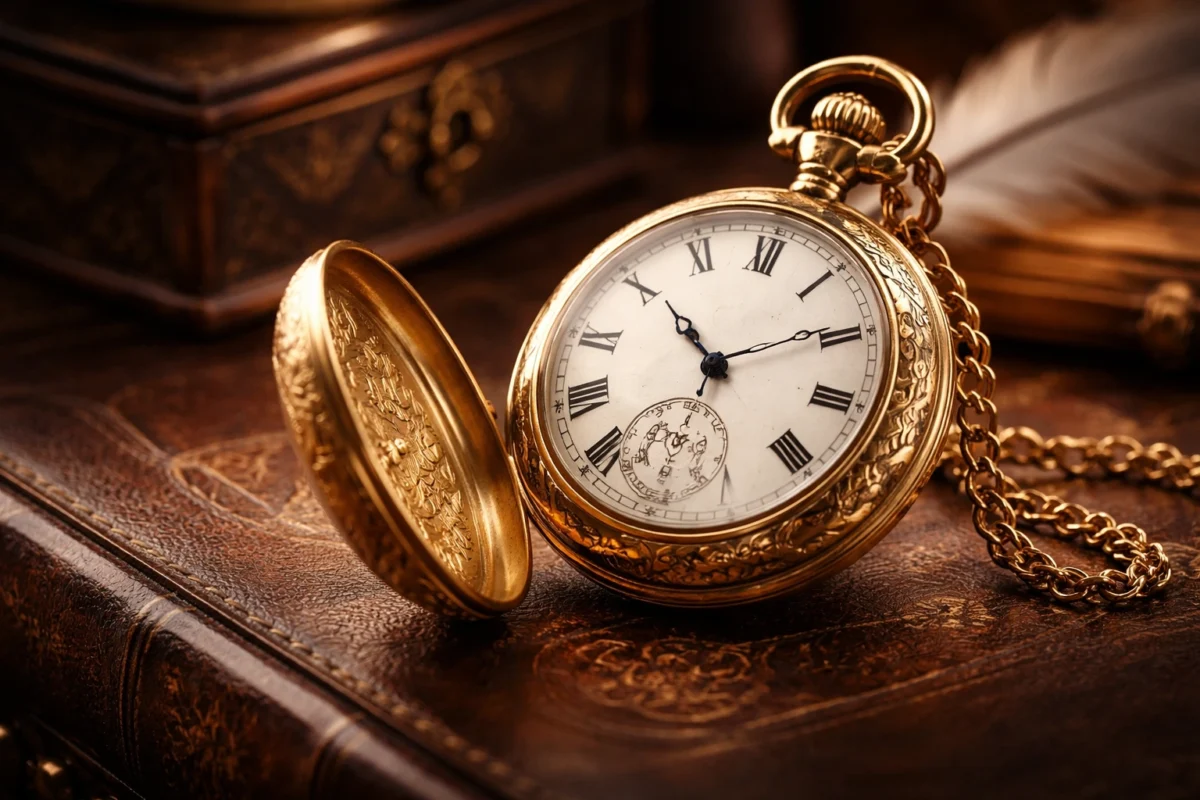
Pocket watches come in various styles, but the hunter case is arguably the most iconic. With its protective cover, the hunter case pocket watch is not only a testament to exquisite craftsmanship but also a practical design choice that has stood the test of time.
Craftsmanship and Design
The hunter case is a marvel of mechanical engineering, featuring intricate designs that often include engravings, gold inlays, or even precious stones. These embellishments make each piece a unique work of art, appealing to those who appreciate fine detail and craftsmanship. The protective cover ensures the watch face remains unscathed, maintaining both the aesthetic appeal and functionality.
Practicality Meets Elegance
Beyond its beauty, the hunter case is emblematic of practicality. Imagine the visceral pleasure of wearing a piece of history that not only complements your attire but serves a functional purpose. This merging of form and utility is what makes the pocket watch a timeless accessory.
A Statement Piece
Incorporating a hunter case pocket watch into your wardrobe instantly elevates your fashion game. Whether you’re donning a tailored suit for a gala or a casual outfit for a day out, the pocket watch adds a touch of elegance that few modern accessories can rival. It’s not just a watch; it’s a conversation starter, a testament to your sense of style and appreciation for history.
The Evolution of Pocket Watches: From Past to Present
The journey of the pocket watch is one of continual evolution, adapting to the changing times while retaining its core essence.
From Tools to Treasures
Initially created as portable timepieces for tracking time in the 16th century, pocket watches were primarily utilitarian. As they grew in popularity, they transformed into symbols of wealth and status. By the 19th century, owning a pocket watch from renowned brands like Patek Philippe was a sign of affluence.
The Rise of Wrist Watches
The early 20th century saw a shift towards wristwatches, driven by practicality during wartime when soldiers needed to keep their hands free. This led to a decline in pocket watch usage.
A Modern Resurgence
Despite this shift, pocket watches have experienced a revival in recent years. This resurgence is fueled by a desire for unique, personal accessories that stand out in a world dominated by homogenized fashion. The pocket watch serves as a nod to the past, a bridge to the elegance of yesteryears while embracing modern sensibilities.
Bridging Functionality and Fashion
Today, pocket watches are crafted with precision, incorporating modern mechanics while retaining the charm of traditional designs. They cater to those looking for something more than just a means of telling time; they seek a piece that tells a story, carries a legacy, and represents a personal style.
Incorporating Pocket Watches into Your Modern Wardrobe
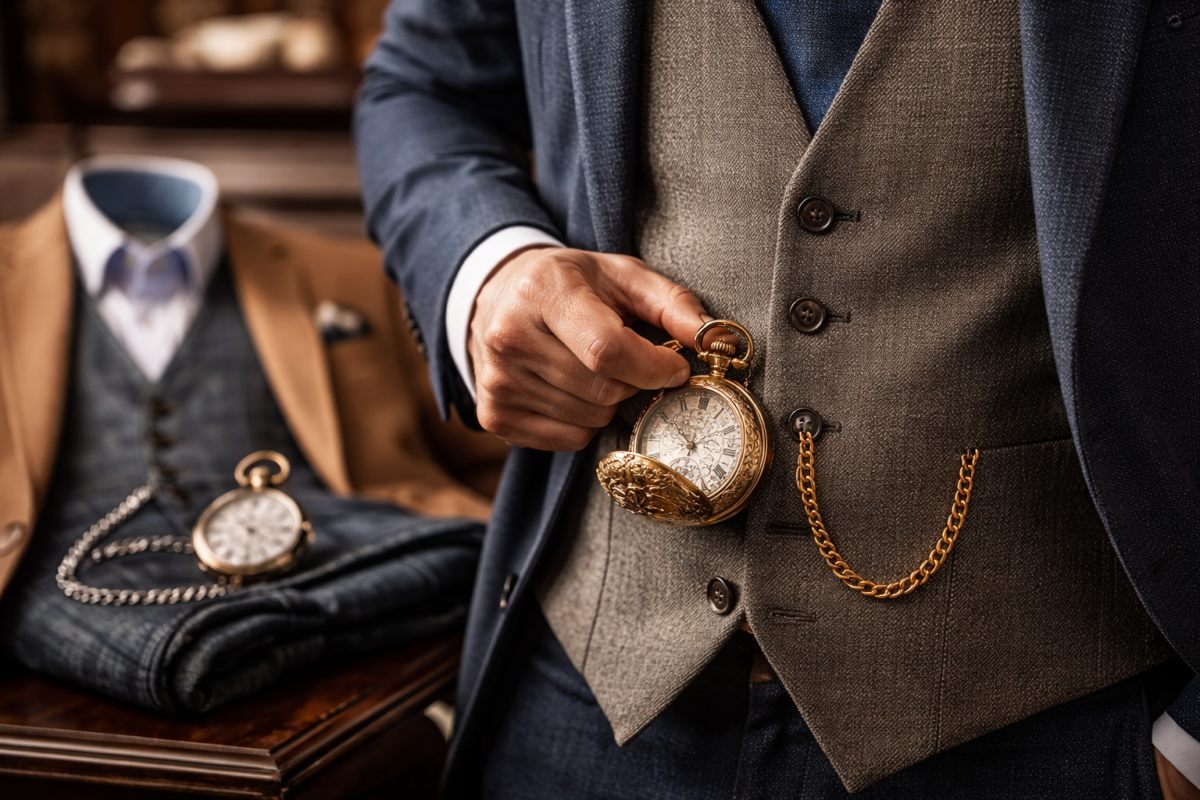
Integrating a pocket watch into your daily wear need not be daunting. Here’s how you can embrace this timeless trend with flair.
Choosing the Right Style
When selecting a pocket watch, consider the design that resonates with your personality. Whether you prefer the classic elegance of a hunter case or the straightforward appeal of an open-face watch, choosing a design that reflects your personal style is key.
The Art of Pairing
To wear a pocket watch effectively, consider your attire and the occasion. A pocket watch pairs beautifully with a three-piece suit, the chain elegantly draped across a waistcoat, but it can also add a touch of class to more casual outfits. The key is to let the watch complement, not overpower, your overall look.
Understanding the Chain
The chain, an integral part of the pocket watch ensemble, serves both practical and aesthetic purposes. Opting for a chain that matches the metal finish of your watch can create a cohesive look, while the length allows you to experiment with various styles of attachment.
Embracing Versatility
Pocket watches offer incredible versatility, allowing you to express individuality. Whether you’re attending a formal event or exploring the city, a pocket watch can be adapted to suit the occasion, making it a perfect blend of tradition and modernity.
The Brands That Define Excellence in Pocket Watches
Several brands have defined the excellence of pocket watches over the years, maintaining a legacy of quality and craftsmanship. When investing in a pocket watch, understanding the brand heritage can enrich your appreciation for the piece.
The Pinnacle of Luxury: Patek Philippe
Renowned for its exquisite craftsmanship and timeless design, Patek Philippe has been a dominant force in the world of pocket watches. Known for its intricate movements and elegant styling, a Patek Philippe pocket watch is a symbol of luxury and sophistication.
The Innovators: Modern Brands
While traditional brands hold a significant place, modern manufacturers have also made their mark, offering innovative designs that blend classic elements with contemporary twists. These modern watches appeal to younger audiences looking for a balance between tradition and trend.
The Affordability Spectrum
From high-end luxury to affordable elegance, the pocket watch market offers diverse options suiting different budgets and tastes. This accessibility ensures that everyone can partake in the timeless charm of pocket watches.
Upholding Craftsmanship
Excellence in pocket watches is about more than brand prestige; it’s about preserving the art of watchmaking. Each piece is a testament to the intricate skill involved, from the precise movements to the stunning exterior designs.
In a world driven by fleeting trends and fast fashion, the pocket watch stands as a symbol of enduring style and sophistication. Its timeless appeal lies not just in its ability to tell time, but in its capacity to tell a story. Owning a pocket watch is about more than wearing a piece of jewelry; it’s about embracing a tradition, a link to the past that resonates with contemporary values.
So, do men still wear pocket watches? Absolutely. For the discerning few who appreciate the blend of mechanics and art, tradition and innovation, the pocket watch remains a vital accessory, one that defies the ages and continues to captivate those who seek elegance and distinction in every tick and tock.
FAQ: Pocket Watches (complete) ❓
What is the main purpose of a pocket watch today?
Today, a pocket watch is both a functional timepiece and a style statement. Many people wear it to add elegance to formal outfits, while others enjoy it as a collector’s item or meaningful gift. It’s also a subtle way to stand out without looking flashy — the watch is revealed when needed, not constantly on display. ✨
Is a hunter case better than an open-face pocket watch?
“Better” depends on your lifestyle. A hunter case protects the dial and feels more traditional, which is great for daily carry and classic style. Open-face models are faster to read and often slimmer. If you value protection and that signature “open the lid” ritual, hunter wins. If you want maximum simplicity, open-face is hard to beat. ⚖️
How do I choose the right chain?
Pick a chain based on how you’ll wear the watch: waistcoat, coat pocket, or trousers. The right chain length lets you draw the watch out smoothly without tugging or swinging. Also, try to match chain metal to your case metal for a cohesive look. Comfort matters: if the chain annoys you, you’ll stop wearing the watch — even if it looks brilliant. 🧷
Mechanical or quartz: which is best for a first pocket watch?
For a first pocket watch, quartz is often the easiest: set it and forget it. Mechanical is ideal if you want the charm of winding and the feeling of traditional watchmaking. A simple rule: choose mechanical if you enjoy rituals; choose quartz if you prefer convenience. ⚙️
Can you wear a pocket watch casually (without a suit)?
Yes — the key is to keep it subtle. A clean pocket watch with a shorter chain works well with a blazer, knitwear, or even a smart overshirt. Attach the chain to a lapel buttonhole or a belt loop, and let the watch be a “quiet detail” rather than the whole outfit. Done right, it looks modern and confident. 🧥
Are pocket watches still fashionable in the UK?
They are — especially as “quiet luxury” and vintage-inspired looks continue to influence men’s fashion. Pocket watches are popular for weddings, formal events, and for anyone who wants a distinctive accessory that isn’t just another smartwatch. It’s niche, but that’s precisely why it feels special. 🇬🇧
How can I avoid looking like I’m wearing a costume?
Keep the rest of your outfit clean and modern. Let the pocket watch be the single standout. Avoid overdoing extra vintage props. A pocket watch paired with a well-fitted jacket and simple accessories looks intentional; paired with too many “old-timey” items, it can look like cosplay. One signature piece beats five competing statements. 👌
What’s the best pocket watch style for gifting?
For gifting, people usually choose either a classic hunter case (timeless, protective, ceremonial feel) or a simple open-face (easy, readable, practical). Think about the recipient’s style: tailored and classic = hunter; minimalist and modern = open-face. If you know they love warm-toned accessories, a gold-toned watch can feel especially meaningful. 🎁
Conclusion: the pocket watch isn’t “back” — it never left 🏁
A pocket watch is more than a way to tell time. It’s a small ritual, a piece of history you can wear, and a style signature that feels both rare and timeless. If your goal is to look sharp without shouting, few accessories deliver as much personality with so little effort. ⌚
Tip for readers who want to explore next: compare styles first (case + movement), then choose a metal tone that matches your everyday accessories. This prevents “impulse buys” that look great online but don’t fit your wardrobe in real life.
